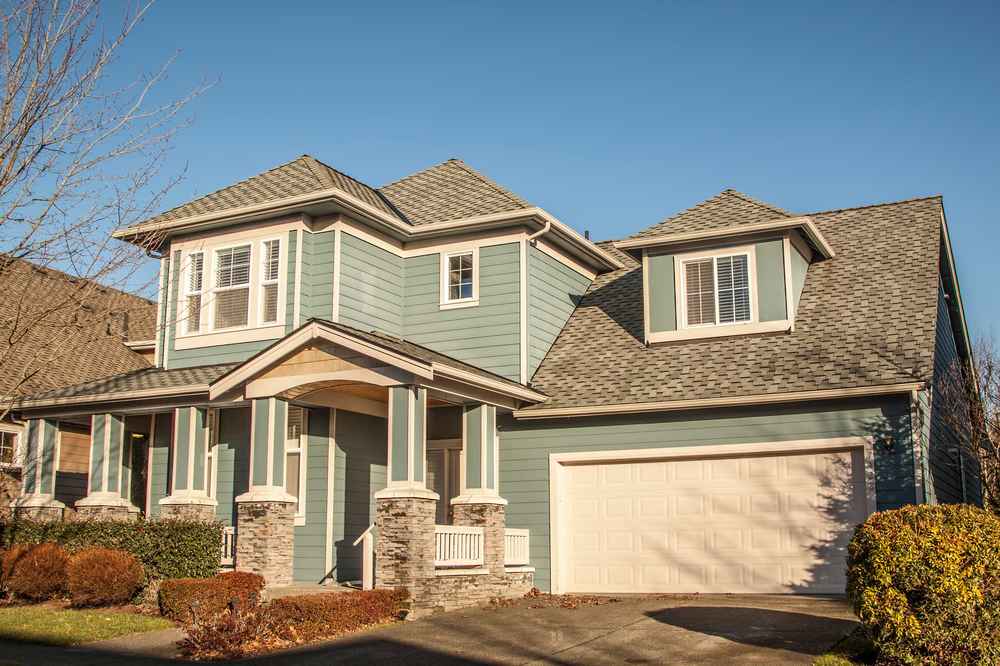
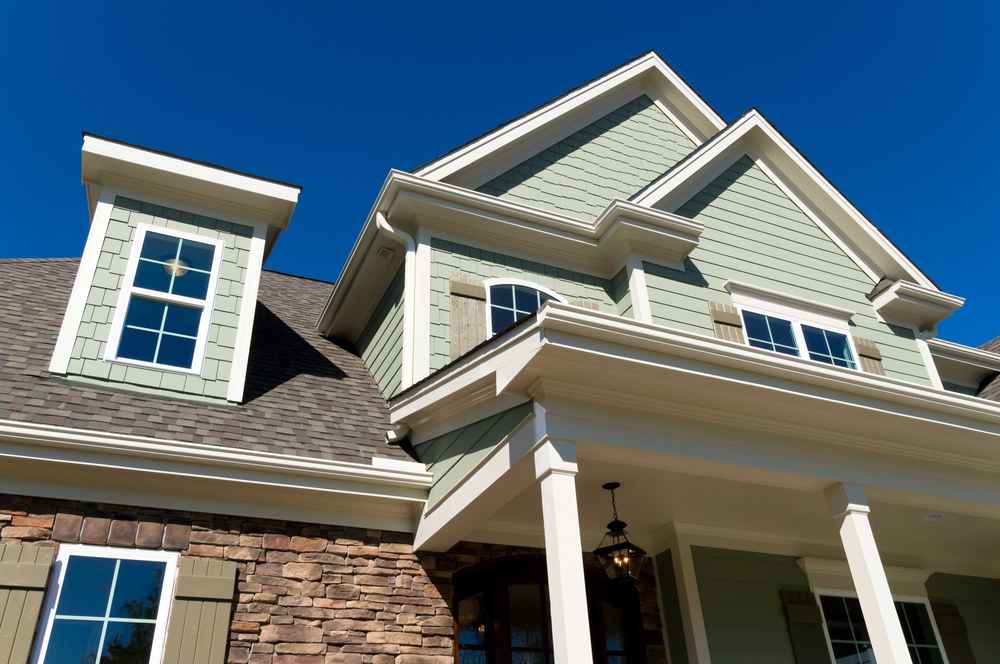
When you drive through the residential neighborhoods of Port Wentworth, Georgia, you’ll notice a wide variety of home styles. From traditional single-family homes near historic areas to newer developments along highway corridors, the architectural diversity is evident. However, one critical structural feature dictates how well these buildings handle our severe coastal climate: the roof pitch.
The angle or pitch of your roof does far more than just enhance your home’s curb appeal. It serves as the primary system that controls how gravity, wind, and torrential downpours interact with your property’s exterior. In our region, where summer brings extreme humidity and late-summer tropical storms threaten the coast, understanding your roof pitch impact is essential for long-term property protection.
At Designer Roofing & Restoration, we bring high-level coastal climate expertise to every project.
Key Takeaways
- Drainage Velocity: Steeper roof pitches shed torrential coastal rainfall rapidly, preventing dangerous pooling.
- Material Matching: Roof slope directly dictates whether you should install TPO, asphalt shingles, or metal systems.
- Thermal Stress: Repetitive expansion and contraction due to Georgia heat cause material fatigue over time.
- Wind Resistance: High-slope profiles experience greater wind uplift forces during severe tropical storms.
What Exactly Is Roof Pitch?
Roof pitch is the ratio of a roof’s vertical rise to a 12-inch horizontal run. For instance, if a roof structure rises 4 inches vertically for every 12 inches of horizontal distance, it is classified as a 4/12 pitch.
This mathematical measurement is the foundation of all professional roof design and functionality. The slope determines how quickly storm runoff flows over your roofing materials and into your gutter system. If the pitch is calculated incorrectly during construction or a major remodel, the entire drainage ecosystem fails, leading to premature material degradation and structural strain.
If you want an accurate assessment of your home’s architectural slope, schedule your free inspection.
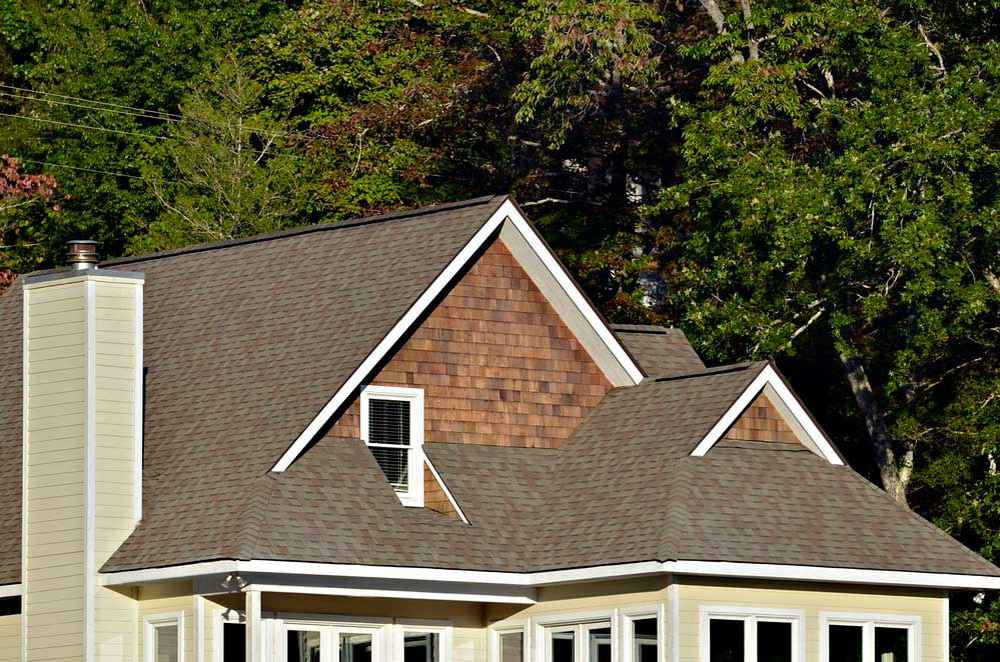
Low-Slope Roofs: Challenges and Waterproofing Needs
A low-slope roof is generally defined as a roof with a pitch of less than 3/12. These shallow profiles are common on modern residential additions, porches, and commercial facilities throughout the area.
These systems have a very shallow angle and therefore cannot rely on gravity alone to shed rainwater quickly. Stormwater moves slowly across the surface, which dramatically escalates the risk of water pooling or ponding during a typical Georgia downpour.
For these applications, traditional overlapping shingles are not an option because standing water will easily back up under the seams. Instead, low-slope Port Wentworth roofing systems require continuous, commercial-grade waterproofing solutions.
TPO Roofing Systems
This white, single-ply membrane is highly favored for shallow slopes. The reflective surface lowers attic temperatures during blazing July days, while heat-welded seams provide a continuous, leak-proof barrier.
Modified Bitumen
This multi-layered asphalt system offers exceptional puncture resistance and durability against wind-blown storm debris.
EPDM Rubber Membranes
A flexible, synthetic rubber compound that provides excellent resistance to intense ultraviolet radiation and thermal cycling.
Maintaining a shallow-pitched roof requires specialized knowledge. If your low-slope system needs an expert evaluation, schedule your free inspection with us today.
Medium-Slope Roofs: The Reliable Residential Standard
The vast majority of residential properties in our region feature a medium roof pitch, typically between 4/12 and 9/12. This middle ground is highly popular for good reason: it strikes an ideal balance between natural gravity drainage and structural versatility.
Medium-pitched roofs shed water efficiently without placing excessive wind-load stress on the structural framing. This slope offers a wide range of manufacturer-certified roof systems, allowing homeowners to balance performance, cost, and style.
Architectural Asphalt Shingles
These are the most common selection for medium pitches, offering robust wind resistance and dependable water shedding when installed according to strict manufacturer standards.
Sheet Metal Systems
Metal roofing performs exceptionally well on medium slopes because its smooth surface accelerates water runoff and reflects intense summer heat.
Even though medium slopes naturally direct water away from the home, they are still highly susceptible to the region’s relentless thermal cycling. The daily cycle of absorbing intense heat and rapid nighttime cooling causes roofing materials to expand and contract repeatedly, which can loosen fasteners over time.
High-Slope Roofs: Maximum Drainage and High-Wind Risks
High-slope roofs have a pitch greater than 9/12. These steep, dramatic structures are highly effective at rapidly shedding massive volumes of torrential stormwater, completely eliminating the risk of standing water.
However, a steep roof slope weather protection plan comes with its own unique engineering challenges. High-pitched roofs act like giant sails during a severe tropical storm or hurricane. They expose a much larger surface area to high-velocity coastal winds, creating massive uplift forces that can easily rip away loosely installed materials.
These are the top-tier residential roofing systems for high slopes.
Standing Seam Metal Roofing
The interlocking concealed fasteners provide elite wind resistance, ensuring the panels stay locked down during coastal storms.
Heavyweight Slate and Tile
These natural materials provide incredible durability and longevity, though their extreme weight requires robust structural framing underneath.
Cedar Shakes
While visually stunning on steep slopes, wood shakes require consistent local maintenance to combat our extreme coastal humidity and prevent algae growth.
Managing a high-slope system requires specialized safety equipment and certified expertise. If your steep roof needs professional service, contact our local specialists to schedule your free inspection.