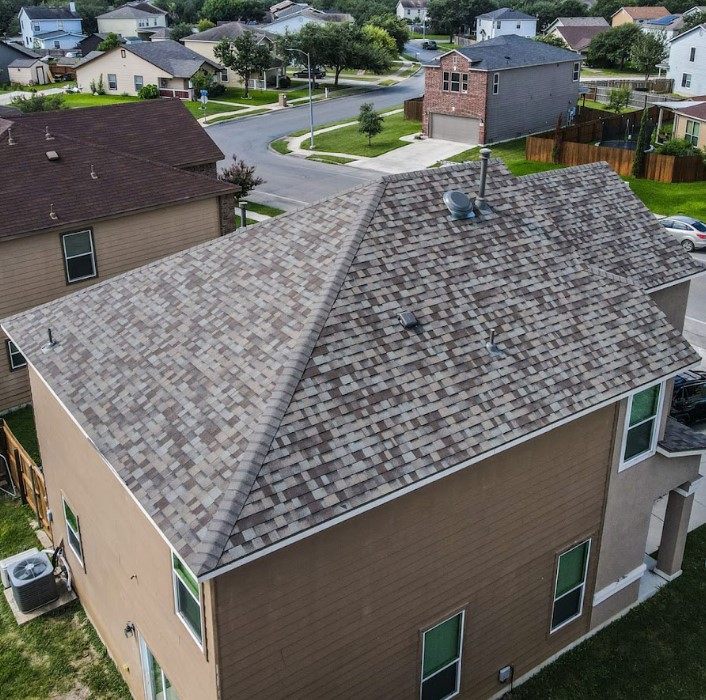
Summer on Wilmington Island brings coastal breezes, beautiful water views, and relentless heat. When the sun beats down on local neighborhoods, temperatures spike fast, turning your attic into a giant oven. Standard dark shingles absorb thermal energy all day, pushing attic temperatures well past 140 degrees Fahrenheit. That trapped heat radiates down into your living rooms, forcing your air conditioning unit to run non-stop while driving up monthly power bills.
Managing attic heat is about more than just keeping indoor spaces comfortable. Continuous thermal stress bakes your roof structure from the inside out, causing shingles to warp, dry out, and lose their weatherproofing abilities long before their time. According to building science data from the U.S. Department of Energy, proper attic airflow balances indoor temperatures, protects insulation, and reduces strain on cooling systems. Upgrading your roof ventilation system helps vent trapped thermal energy into the open air, keeping your home cooler and protecting your investment.
Key Takeaways for Wilmington Island Homeowners
- Lower Cooling Bills: Balanced attic airflow allows hot air to escape naturally, keeping your living space cooler and cutting monthly air conditioning costs.
- Extended Shingle Lifespan: Proper ventilation prevents thermal baking from beneath your roof deck, preserving essential asphalt oils and stopping early shingle failure.
- Moisture and Mold Defense: Year-round ventilation sweeps away humid coastal moisture, preventing wood rot, deck warping, and dangerous mold growth.
- Protected Home Investment: Upgrading ridge and soffit vents preserves structural lumber, keeps insulation effective, and maintains overall home value.
What Happens When Superheated Air Gets Trapped in Your Attic?
Thermal Traps, Shingle Damage, and HVAC Strain Explained
When direct sunlight hits your roof all day, the surface absorbs massive amounts of heat. Without continuous airflow beneath the wooden decking, that thermal energy transfers straight into your attic space. Trapped hot air acts like a heavy blanket pressing down against your ceiling joists, forcing your home’s air conditioner to work double shifts just to keep the thermostat steady.
Over time, this trapped heat inflicts severe structural damage across your entire roofing system:
- Shingle Baking: Superheated attic air cooks shingles from the underside, evaporating flexible asphalt oils and leaving materials brittle, cracked, and defenseless against rain.
- Deck Warping: Extreme temperature changes cause wooden roof sheathing to expand and shrink repeatedly, pulling nails loose and causing deck panels to buckle.
- Insulation Degradation: Trapped heat bakes fiberglass insulation, reducing its ability to stop thermal transfer into your top-floor bedrooms.
- High Energy Expenditures: Air conditioning units running continuously under heavy thermal loads suffer frequent mechanical breakdowns and consume excess electricity.
How Does a Balanced Roof Ventilation System Actually Work?
The Mechanics of Air Intake and Exhaust Flow
Effective roof ventilation relies on a simple principle of physics: warm air rises naturally while cool air sits low. To move hot air out of your attic, a ventilation system needs two distinct components working together seamlessly: intake vents and exhaust vents.
Intake vents are located along your eaves or soffits, down low where cool outside air enters. As warm air inside the attic rises toward the peak of your roof, it exits through ridge vents or static exhaust vents installed along the roofline. This continuous movement creates a natural airflow loop, pulling fresh air in through the bottom and pushing superheated air out through the top without requiring extra electrical power.
If your intake vents are blocked by attic insulation or your roof lacks adequate ridge exhaust, this natural air cycle grinds to a halt. Balanced ventilation requires an equal ratio of intake and exhaust openings to keep air flowing steadily through every season.
How Does Proper Attic Airflow Protect Coastal Homes From Moisture?
Stopping Humidity, Rot, and Mold Growth
Living on Wilmington Island means dealing with high humidity levels year-round. While summer heat gets most of the attention, humid coastal air trapped inside an unventilated attic creates a different kind of home hazard. Everyday household activities like cooking, showering, and running the dishwasher send warm moisture vapor rising toward your ceiling.
When that damp air meets cool surfaces inside an unventilated attic, it condenses into water droplets. Over time, persistent dampness causes serious structural issues:
- Rafter Rot: Standing moisture soaks into wooden roof trusses and framing, causing hidden wood rot that weakens your home’s support structure.
- Mold and Mildew: Dark, damp attic spaces with stagnant air provide ideal conditions for toxic mold spores to multiply rapidly.
- Rusting Fasteners: Condensed moisture corrodes metal roofing nails, hurricane straps, and structural brackets, compromising overall storm resistance.
Installing a balanced ventilation system keeps air moving continuously, sweeping moisture out of your home before it can condense and cause damage. Discover how comprehensive exterior solutions protect your home by visiting our roofing services page.
What Types of Roof Vents Work Best for Wilmington Island Homes?
Comparing Ridge, Soffit, Power, and Off-Ridge Vents
Choosing the right ventilation hardware depends on your roof design, square footage, and local coastal weather patterns. Working with an experienced local contractor ensures your home gets the exact ventilation capacity it needs.
Common ventilation options include:
- Soffit Intake Vents: Perforated panels installed under your eaves that pull cool, fresh outdoor air into the lowest parts of your attic.
- Continuous Ridge Vents: Low-profile exhaust vents installed along the top peak of your roof, providing seamless hot air release along the entire roofline.
- Off-Ridge Static Vents: Box vents installed near the roof peak that allow heat to escape from specific roof sections or tight architectural angles.
- Solar or Powered Attic Fans: Motorized vents that actively pull hot air out of large attic spaces, boosting air circulation during peak summer heat waves.
Upgrading your ventilation system while replacing an old roof is the most cost-effective way to maximize home efficiency. You can read about our team’s history and commitment to quality craftsmanship on our about us page.